
How does HCV affect your health?
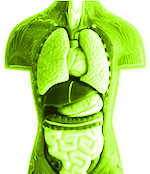
How does HCV damage your liver?
HCV does not directly damage your liver. It is the way that the immune system reacts to the virus that causes liver inflammation.
As the immune system attempts to surround and isolate infected cells to protect the liver, scarring develops and worsens.
As the liver becomes more scarred it hardens, making it more difficult for blood and other fluids to flow through it.
Even though the liver can still work when it is damaged, the continuous effect of HCV can slowly interfere with liver function. Complications develop when the liver is too damaged to be able to carry out important tasks.
Without treatment, HCV is linked to a long list of serious complications, although many of these only occur in late stage infection.
HCV outside of the liver
As with HIV, HCV increases the risk for other health problems, including type 2 diabetes, kidney and heart disease, and bone loss. The reasons for this include inflammation from untreated HCV, long-term use of some HIV drugs, family history and lifestyle.
For people with coinfection, being cured from HCV lowers the risk for liver-related illness and death, AIDS-related illness and death, and type 2 diabetes.
Glossary
diabetes illness related to not being able to regulate sugar.
Last updated: 17 August 2017.