
Side effects and adherence
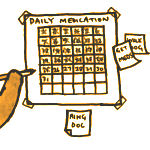
Whether you are starting your first treatment or have been using HIV drugs for a long time, your doctor should have talked to you about the importance of adherence.
This is the term that describes taking the medications exactly as they are prescribed.
This includes:
- Taking them on time.
- Following any dietary advice (ie with or without food).
- Taking them everyday: weekdays, at weekends and on holiday.
Not getting adherence right leads to treatment failure and drug resistance.
There is sometimes a link between adherence and side effects, if the symptoms cause you to miss doses. Adherence can be more difficult when medications make you feel less well.
This is why it is important to talk your clinic.
Many treatments help with nausea and diarrhoea. You can be given a small supply of these to take to prevent side effects when you first start treatment. You should also be able to collect these easily from your clinic if you get symptoms later on.
Last updated: 1 November 2021.